
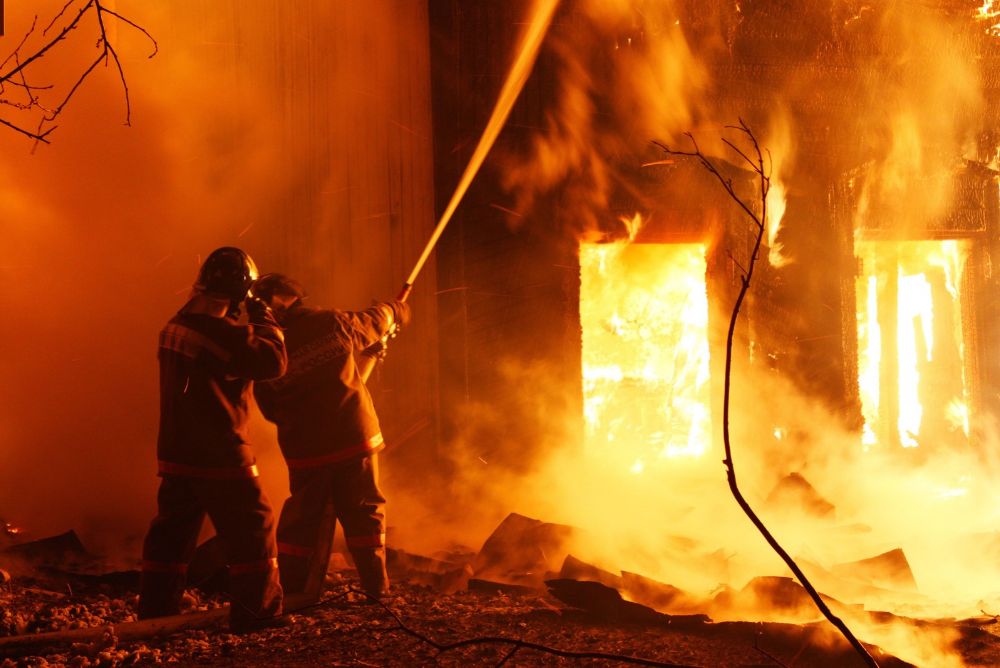
Cooking, heating equipment, and electrical faults are among the most common causes of house fires, and you can prevent almost all of them with a few minutes of habit changes. This guide covers the seven causes we see most often, the fixes that actually work, and the steps to take if a fire has already happened.
What Are the 7 Most Common Causes of House Fires?
The seven most common causes of house fires are unattended cooking, heating equipment, electrical problems, candles, smoking materials, clothes dryers, and lithium-ion batteries. Here is how each one starts and how to stop it.
Unattended Cooking
Cooking fires are the leading cause of home fires and home fire injuries in the United States. Grease is the usual culprit. Oil can get too hot, ignite, and a splash of water can spread the flames.
How to prevent it:
- Stay in the kitchen while you fry, boil, or broil.
- Keep dish towels, paper packaging, and wooden spoons away from burners.
- If grease ignites, slide a lid over the pan and turn off the heat. Never throw water on it.
Heating Equipment
Space heater fires usually start when a heater sits too close to bedding, curtains, or furniture. Fireplaces and wood stoves carry their own risk, since creosote builds up inside chimneys and can ignite.
How to prevent it:
- Keep anything that burns at least three feet from any heater.
- Plug space heaters straight into a wall outlet, never an extension cord.
- Have your chimney and furnace inspected once a year, before cold weather settles in.
Electrical Problems
Electrical fires often start inside walls, where no one can see the problem. Overloaded outlets, aging wiring, and cords pinched under furniture all create heat. Older homes face the highest risk because their wiring wasn’t built for today’s devices.
Watch for these warning signs:
- Lights that flicker or dim when an appliance turns on
- Outlets or switch plates that feel warm
- A burning smell with no clear source
- Breakers that trip again and again
If you notice any of them, call a licensed electrician. Do not wait for a bigger sign.
Candles
Candle fires often happen on ordinary evenings, when someone forgets a flame or a draft pushes it toward a curtain. A candle is an open flame, and it behaves like one.
How to prevent it:
- Keep candles at least 12 inches from anything flammable.
- Blow them out before you leave the room or go to sleep.
- Try flameless LED candles for bedrooms and kids’ rooms.
Smoking Materials
Discarded cigarette fires start in places people rarely check, such as planters, mulch beds, couch cushions, and trash cans. A cigarette can smolder for a long time before it flames up, often when everyone is asleep.
How to prevent it:
- Use a deep, sturdy ashtray and set it on a flat, nonflammable surface.
- Soak butts in water before they go in the trash.
- Never smoke in bed or when you feel drowsy.
Clothes Dryers
Dryer fires come down to lint. A clogged filter or vent traps heat, and lint ignites easily. The risk grows when the vent hose is crushed behind the machine or runs a long, bent path to the outside.
How to prevent it:
- Clean the lint filter after every load.
- Clear the vent duct and the space behind the dryer once a year.
- Do not run the dryer while you are out or asleep.
Lithium-Ion Batteries
Lithium-ion battery fires are a growing risk as e-bikes, scooters, and portable chargers become part of daily life. A damaged or overheated battery can ignite quickly and burn hot.
How to prevent it:
- Use the charger that came with the device.
- Charge on a hard surface, never on a bed or sofa.
- Stop using any battery that swells, leaks, or smells odd.
How Can You Prevent House Fires and Keep Your Family Safe?
The best way to prevent house fires is to combine working smoke alarms with safer daily habits and a practiced escape plan. Alarms give you the warning, and the plan gives you the time. Here is the short list we recommend to every homeowner:
- Install smoke alarms on every level, inside each bedroom, and outside sleeping areas.
- Test them monthly and replace the full alarm about every 10 years.
- Build a family escape plan with two ways out of every room and one outdoor meeting spot. Practice it twice a year.
- Keep a fire extinguisher in the kitchen and make sure everyone knows where it is.
- Sleep with bedroom doors closed. A shut door can slow the spread of fire and smoke.
- Inspect cords, outlets, and appliances every season, and replace anything frayed or scorched.
- Never leave heat, flame, or chargers running in an empty or sleeping home.
A little routine goes a long way here. Pick one day each month to test the alarms, check the cords behind the couch, and inspect the dryer vent
Bottom Line
Most house fires start with something ordinary: a stovetop, a heater, an outlet, a flame, a lint trap, or a charger. Knowing the seven common causes helps you spot the risk before it becomes an emergency, and working alarms plus a practiced escape plan protect the people you love. If a fire does happen, put safety first, document the damage, and call a professional before the soot sets deeper. Contact Call UDK for more information. We’re available 24×7.
Frequently Asked Questions
What is the number one cause of house fires?

Cooking is the leading cause of house fires in the United States, and unattended stovetop cooking is the most common trigger. Staying in the kitchen while the burner is on is the simplest way to prevent them.
Where do most house fires start?
The kitchen is the most common starting point for house fires, mainly because of cooking. Living areas and bedrooms follow, often because of heaters, candles, or electrical problems.
How often should I test my smoke alarms?
Test smoke alarms monthly and replace the entire alarm about every 10 years. Swap the batteries on a regular schedule if your alarm uses them.
What should I do first after a house fire?
Get everyone out safely, call 911, and do not go back inside until the fire department clears the building. Then call your insurance company and a fire damage restoration team.
Does homeowners insurance cover fire damage?
Coverage depends on the cause of the fire and the terms of your policy. Review your policy and contact your insurance company as soon as possible.
How long does fire damage restoration take?
It can range from a few days for minor smoke damage to several months for severe structural fires. The size of the fire, the amount of water used to put it out, and the amount of rebuilding all affect the timeline.