
The most expensive water damage is the kind you almost notice. The ceiling stain you meant to look into. The musty smell you blamed on the basement being a basement. The water bill was “probably just the sprinklers.” Months later, that ignored hint becomes torn-out drywall, ruined flooring, and a mold remediation crew in your hallway.
Here’s the part working against you: with water damage, the visible part is usually the smallest part. Water travels behind walls and under floors long before it shows itself. By the time most homeowners notice the signs of water damage, moisture has been working for weeks.
But your home does give you warnings, and they’re surprisingly consistent. Here are the ten that matter most, what each one means, and when to call for help.
Quick Answer
The most common signs of water damage are water stains on ceilings or walls, musty odors, peeling paint or bubbling wallpaper, warped flooring, sagging or soft spots, visible mold, unexplained spikes in your water bill, sounds of running water when everything is off, corroded pipes, and widening cracks in walls or foundations. If you notice any of these, find the moisture source within 24-48 hours to prevent mold growth.
What Are the Signs of Water Damage in a Home?
Some signs are visual, some are smells, and some are sounds. Use all three senses when you check your home.
1. Water Stains on Ceilings or Walls
Yellow or brown rings, especially ones that grow or darken over time, mean water is moving above or behind that surface. Common sources include roof leaks, burst pipes, and failing plumbing connections. Don’t paint over a stain; the discoloration is the messenger, not the problem.
2. Musty, Earthy Odors
That damp basement smell is microbial. Mold can begin growing within 24-48 hours of water exposure, often where you can’t see it. If a room smells musty after cleaning and airing out, hidden moisture is the likely cause.
3. Peeling Paint, Bubbling Wallpaper, or Visible Drywall Seams
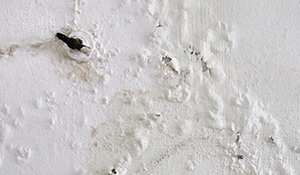
Moisture trapped inside a wall pushes outward. Paint peels, wallpaper bubbles, and drywall seams appear where they never were before. Kitchens, bathrooms, and laundry rooms are the usual suspects.
4. Warped, Buckling, or Discolored Floors
Water collects between and beneath floor planks. Early on, you may see darkening near plank edges. Later, boards cup, lift, or buckle. By the warping stage, the flooring usually can’t be saved, but the subfloor still can.
5. Sagging Ceilings or Soft Spots Underfoot
A drooping ceiling or a spongy floor means water has saturated the structure itself. That’s a safety issue: a water-heavy ceiling can collapse. Get it assessed immediately and avoid standing under any visible bulge.
6. Visible Mold or Mildew
Black, green, or white speckles in corners, on grout, or around windows are never normal. Recurring mold means an active moisture source is feeding it. It’s also a health concern, especially for anyone with asthma or allergies.
7. An Unexplained Spike in Your Water Bill
Your water bill is a leak detector you already pay for. The EPA estimates household leaks waste nearly 10,000 gallons of water per year on average. If usage jumps with no change in habits, suspect a hidden leak.
8. Sounds of Water When Everything Is Off
Turn off every faucet and appliance, then listen. Dripping or hissing sounds indicate a leak in the walls, floors, or foundation. A simple test: check your water meter, wait two hours with no water use, and check again. If it moved, you have a leak.
9. Rusty Pipes or Corroded Fixtures
Corrosion is a slow-motion confession of long-term moisture. Rust around valves, fittings, or fixtures means those connections are leaking, sweating, or holding water, often inside walls.
10. Widening Cracks in Walls, Ceilings, or the Foundation
All homes settle, and hairline cracks are common. The warnings are cracks that widen, multiply, or show staining and seepage. Foundation moisture problems only grow more expensive with time.
Why Acting Fast Saves You Thousands
Every one of these warnings shares the same clock. Once materials get wet, mold can establish within a day or two, and structures weaken steadily from there. What starts as a drip becomes a rebuilt bathroom.
The stakes are bigger than most homeowners realize. Water damage and freezing consistently rank among the most common homeowners’ insurance claims, accounting for nearly a quarter of all claims. The early signs of water damage are your chance to stay out of that statistic. Found early, a leak is a plumbing bill. Found late, it’s drywall, flooring, mold remediation, and weeks of disruption.
If you spot a warning sign, do three things. Stop the water source if you safely can. Document everything with photos. Then get the moisture professionally measured, because dry-looking is not the same as dry.
Caught a Warning Sign? Don’t Wait for It to Get Louder
Water damage never fixes itself; it compounds quietly until the repair bill demands attention. The ten signs of water damage above are your home’s early warning system. Trust them.
If you’ve noticed any of these warnings in your Utah home or business, Utah Disaster Kleenup can help. Since 1974, our water damage restoration teams have used thermal imaging and professional drying to find moisture, stop it, and restore properties fast.
Spotted signs of water damage? Call UDK at (801) 406-7462 for a 24/7 response.
Frequently Asked Questions
How can I tell if water damage is old or new?

New damage feels damp, usually with a single dark ring. Old damage is dry, with multiple rings from repeated wetting and drying cycles. Old stains still matter: they prove water has a path into that spot, and the next leak can reopen it.
Does a musty smell always mean mold?
Not always, but it usually means excess moisture, and moisture leads to mold quickly. If the smell persists after cleaning and ventilating, assume hidden moisture behind walls or under floors. A professional inspection can locate the source with thermal imaging and moisture meters, without tearing anything open.
How fast does mold grow after water damage?
Mold can begin growing within 24-48 hours of materials getting wet. That’s why the response window matters so much. Even if you can’t see growth yet, wet drywall, carpet pad, and insulation are already at risk. Fast drying within that window often prevents remediation entirely.
Is water damage covered by homeowners’ insurance?
Sudden and accidental damage, like a burst pipe, is usually covered. Gradual damage from long-term leaks or deferred maintenance is usually not. That’s another reason to act on the signs of water damage early: waiting can turn a covered claim into a denied one.
Can I just dry it out myself with fans?
For a small, fresh spill on hard surfaces, yes. For anything that soaked drywall, flooring, or insulation, household fans won’t reach the trapped moisture. Materials can feel dry on the surface while staying wet inside. Professional drying equipment and moisture meters verify that the structure is actually dry.
What should I do first if I find a serious leak?
Shut off the water at the main valve, and kill power to the area if outlets are wet. Move belongings out of the water’s path and photograph the damage for your insurer. Then call a restoration company; the faster drying begins, the less you lose.