
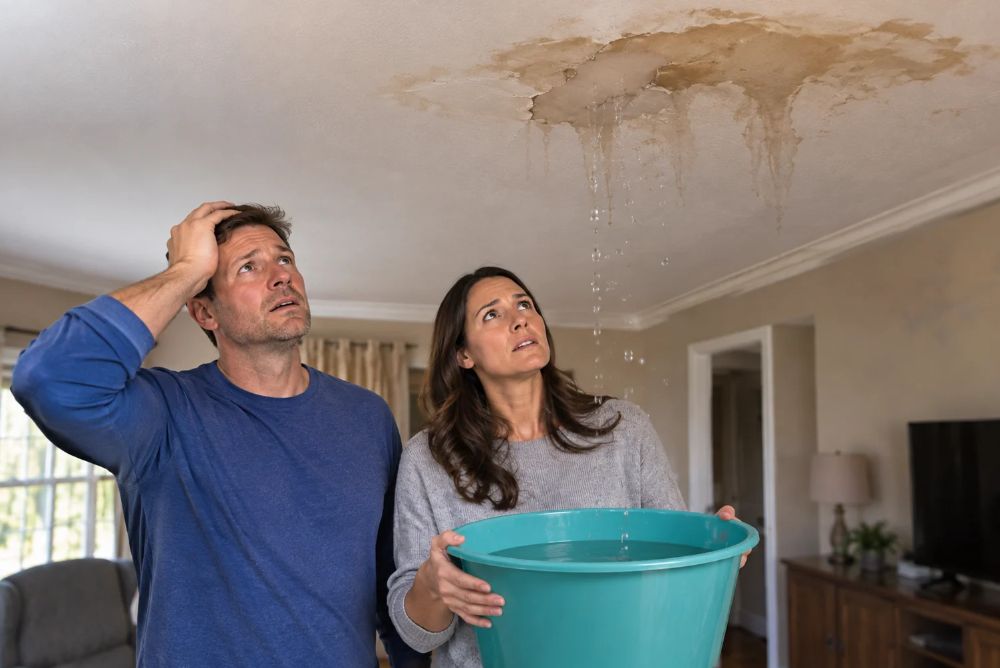
Common signs you need professional water damage restoration include moisture inside walls or floors, a musty smell, stains that keep spreading, and water that has been sitting for more than a day.
Drying the surface alone will not solve these problems. Moisture trapped behind drywall or beneath flooring can damage building materials and create conditions for mold growth. Utah homeowners often face water damage from burst pipes, appliance leaks, and storm runoff.
Here are seven warning signs to watch for and when it is time to call a restoration team.
How Do You Know When Water Damage Is Too Big to Handle Yourself?
A small spill can usually be cleaned up with towels and a fan. However, water damage needs professional attention when moisture spreads into areas you cannot see or reach. Water can move through wall cavities, insulation, and subfloors, meaning a wet carpet may be hiding a bigger problem underneath. Waiting too long can also increase the risk of mold growth.
If the damage comes from a burst pipe, a faulty water heater, or a storm, have technicians inspect the property and use professional drying equipment.
What Are the Warning Signs of Serious Water Damage?
Watch for signs you need professional water damage restoration before the damage spreads further.
1. Water Has Soaked Into Walls, Ceilings, or Flooring
When water reaches drywall, ceilings, or flooring, it can spread beyond the area you can see. It may soak into insulation, wooden framing, and subfloors, where towels and household fans cannot reach. A wall might feel dry to the touch even when moisture remains inside.
If a pipe has burst, an appliance has overflowed, or a roof leak has affected an indoor space, arrange a professional moisture inspection. Technicians use specialized equipment to assess how far the water has spread and identify areas that need attention before the damage worsens.
2. Water Has Been Sitting for More Than 24 Hours
The first 24 hours after water damage are especially important. When materials remain wet, they can start swelling, staining, and breaking down. Mold may also begin growing within 24 to 48 hours. Materials such as carpet padding, drywall, and wood trim can hold moisture for much longer than expected.
If you couldn’t stop the leak immediately or returned home to find a flooded basement, don’t assume the area will dry on its own. Contact a restoration company before the damage spreads further.
3. A Musty Smell Will Not Go Away
A musty, earthy smell often means moisture is still trapped somewhere in the property. Opening windows or using air fresheners may reduce the odor temporarily, but they will not fix the source.
The smell can come from damp drywall, carpet padding, or insulation and may indicate early mold growth. If it returns even after cleaning, you may have hidden water damage. A restoration team can locate the source and dry the affected materials.
4. Stains, Bubbling Paint, or Peeling Wallpaper
Water damage often shows up on walls and ceilings. You’ll typically see brown or yellow staining, bubbling paint, and wallpaper pulling away from the wall.
These changes may not be apparent until several days after the leak has commenced. If the stain continues to grow or reappears after repainting, then water is likely still present underneath. Don’t paint over the area in question until it has been properly inspected. Painting over damp material will just trap the moisture and make the problem much harder to deal with.
5. Floors Are Warped, Buckled, or Soft
Changes in your flooring can also point to water damage. Hardwood boards may lift or curve, laminate can separate at the joints, and subfloors may feel soft underfoot. These problems often develop when water remains trapped in the floor for an extended period.
Wood absorbs moisture and expands, which can push individual boards out of place. Even when tile looks normal, water may still be sitting underneath it. If a section of flooring feels soft, uneven, or moves when you walk on it, have a professional check it. Early drying may help save some materials, while prolonged exposure can make replacement necessary.
6. The Ceiling or Drywall Is Sagging
Never ignore a sagging ceiling. As drywall and insulation absorb water, they become heavier and may eventually collapse. Keep children, pets, and other people out of the room, especially if you notice a bulging area.
If it is safe to do so, switch off power to the affected area. Water near light fixtures and electrical wiring can create a serious hazard. Do not stand underneath the damaged section or try to repair it yourself. Contact an emergency restoration team to assess the situation and handle the damage safely.
7. Sewage or Dirty Water Entered Your Home
Water from a sewer backup, overflowing toilet, or flooded yard may contain bacteria and other harmful contaminants. Cleaning it with a regular mop and household bleach is not enough to make the area safe.
Avoid direct contact with the water and keep children and pets away. Porous materials, including carpets and drywall exposed to contaminated water, may need to be removed. Professional restoration crews have the equipment and safety procedures needed to extract the water, clean affected areas, and dry the property without exposing your family to unnecessary risks.
Bottom Line
The signs you need professional water damage restoration may not always be obvious at first. However, moisture spreading beyond the surface, lingering odors, growing stains, and changes in walls or flooring can all point to a larger problem.
Getting help early can limit repairs, protect building materials, and reduce the risk of mold growth. If you notice any of these warning signs, do not wait for the damage to get worse. Contact Call UDK to discuss your situation and the next steps.
Frequently Asked Questions
How fast should I call for water damage restoration?

Contact a restoration company as soon as the water source is under control (ideally within the first 24 hours). Wet materials will deteriorate over time, and mold can begin to grow in as little as 24 to 48 hours.
Does homeowners insurance cover water damage?
It depends on the damage and what your policy covers. Sudden incidents (a burst pipe, for instance) are generally covered, whereas gradual leaks may be covered differently. You’ll need to check your policy or speak to your insurer. UDK will document the damage and work with all insurers.
How long does water damage restoration take?
Water extraction and structural drying usually take several days. The timeline depends on the amount of water, how long it remained in the property, and which materials were affected. However, larger repairs and reconstruction can take longer.