
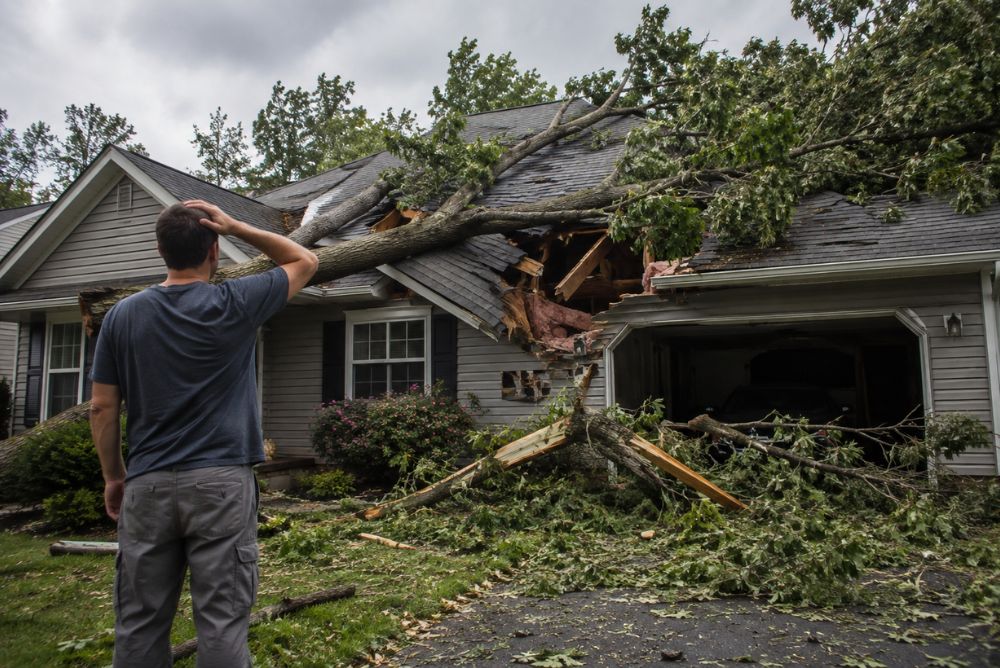
Waking up to a downed tree branch through your roof or water pooling in your basement after a rough night of weather is disorienting, and it’s normal not to know where to start. Knowing the right steps to take after storm damage can make the difference between a manageable repair and a much bigger, more expensive problem. We’ve broken this down into five clear actions, in the order you should tackle them, so you’re not left wondering what comes first. By the end, you’ll have a straightforward plan for protecting your family, your home, and your insurance claim.
Why Acting Fast After a Storm Matters
Utah storms can bring heavy snow, high winds, hail, and sudden flooding, and the damage they leave behind rarely stays contained if ignored. A small roof leak turns into water-soaked drywall within hours. Standing water invites mold growth within a day or two. The longer storm damage sits untreated, the more it spreads into areas of your home that weren’t originally affected, which is exactly why moving through these steps quickly matters.
Step 1: Prioritize Safety First
Before assessing any damage, make sure your home is actually safe to be in. Check for downed power lines near the property, gas odors, structural instability, or exposed electrical wiring, and stay out of any area showing these signs. If your gut tells you something isn’t safe, trust it and wait for a professional before going further.
- Keep everyone away from standing water near electrical outlets or appliances
- Watch for weakened tree limbs or debris that could shift unexpectedly
- Avoid walking on a roof or attic that shows signs of structural damage
- Call emergency services immediately if you smell gas or see sparking wires
Step 2: Document the Damage Thoroughly
Once it’s safe, grab your phone and start taking photos and videos of everything affected, from broken windows to water stains to damaged siding. This documentation becomes essential for your insurance claim, and it’s much easier to capture details now than to try recalling them later.
- Photograph both the exterior and interior of the property
- Include wide shots of each room along with close-ups of specific damage
- Note the date and time storm damage occurred, if known
- Keep receipts for any temporary repairs or emergency purchases
Step 3: Prevent Further Damage With Temporary Fixes
While you wait for professional help, a few temporary measures can stop the situation from getting worse. Covering a damaged roof with a tarp, boarding up broken windows, or moving belongings away from water intrusion all buy you time without requiring specialized equipment.
- Use tarps to cover roof openings or broken windows
- Move furniture and valuables away from leaks or standing water
- Shut off water or electricity to affected areas if it’s safe to do so
- Avoid attempting major repairs yourself, since this can complicate insurance claims
Keep receipts for any materials purchased for temporary repairs, since many insurance policies reimburse these costs.
Step 4: Contact Your Insurance Company
Reach out to your insurance provider as soon as possible to start the claims process. Share the photos and documentation you gathered, ask about your coverage for storm-related damage, and get a clear timeline for when an adjuster will visit the property. The sooner you file, the sooner repairs can move forward.
- Ask whether your policy covers temporary housing if needed
- Request a written summary of what your policy covers
- Keep a record of every call, including names and reference numbers
- Ask if your provider has a list of approved restoration contractors
Step 5: Call a Professional Restoration Team
Even minor-looking storm damage often hides bigger issues behind walls, under flooring, or inside the attic. A professional inspection catches what an untrained eye might miss, ensuring repairs address the root problem instead of just the visible surface. Our storm damage restoration team handles everything from initial assessment through full repair, working directly with your insurance provider along the way.
If the storm brought flooding along with wind or hail damage, pairing storm repair with proper water damage restoration prevents lingering moisture from turning into a secondary mold problem later.
What to Expect During the Restoration Process
Once a professional team arrives, they’ll typically start with a full inspection to assess both visible and hidden damage, followed by water extraction and drying if moisture is involved, structural repairs, and a final walkthrough to confirm everything meets standards. Knowing this process ahead of time helps you know what questions to ask and what timeline to expect.
Trusted Storm Response Across Utah
Call UDK has responded to storm damage across Layton, Draper, Park City, Hurricane, and surrounding Utah communities for decades, with technicians ready to assess and begin repairs quickly after severe weather hits. Our team understands how fast Utah storms can escalate a small problem into a major one, which is why rapid response is built into everything we do. Check out our service locations to see if we cover your area.
Don’t Face Storm Recovery Alone
Following the right steps to take after storm damage protects your home, your family, and your insurance claim all at once, and you don’t have to figure it out by yourself. Whether you’re dealing with a leaking roof or standing water, the team at Call UDK is available 24/7 across Utah. Start a project today, or reach out through our contact page to get help fast.
Frequently Asked Questions
What should I do first after storm damage to my home?

Safety comes first. Check for downed power lines, gas odors, or structural instability before assessing any damage or entering affected areas.
Should I take photos before or after cleaning up storm damage?
Always document damage with photos before starting any cleanup, since insurance companies need clear evidence of the original condition.
Can I make temporary repairs myself after a storm?
Minor temporary fixes like tarping a roof or boarding windows are generally fine, but avoid major repairs yourself, as this can complicate your insurance claim.
How soon should I contact my insurance company after storm damage?
Contact your provider as soon as possible, ideally within a day or two, to start the claims process and get an adjuster scheduled.
Do I need a professional inspection even if the damage looks minor?
Yes, since storm damage often hides deeper issues behind walls or under flooring that aren’t visible during a basic walkthrough.