
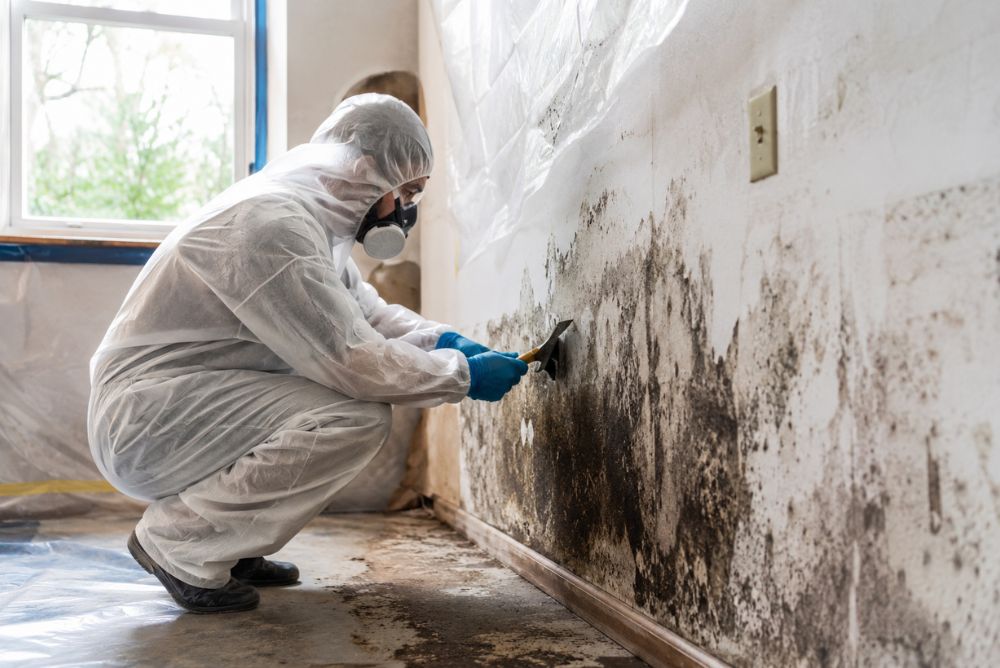
Finding mold in your home naturally raises a lot of questions, and one of the first is probably what does a mold remediation company do that you couldn’t just handle yourself with a bottle of bleach. It’s a fair question, since the marketing around mold cleanup can sound vague or overly technical. In this guide, we’re going to break down exactly what these companies do, the equipment and expertise they bring to the table, and why that expertise actually matters for getting rid of mold for good. By the end, you’ll understand the full scope of the job, not just the surface-level cleaning part.
The Core Role of a Mold Remediation Company
At its heart, a mold remediation company exists to identify where mold is growing, contain it so it doesn’t spread further, remove it safely, and fix the conditions that allowed it to grow in the first place. That last part is often overlooked, but addressing the moisture source is just as important as the cleanup itself, since mold without repeat moisture exposure has nowhere to come back from.
What a Mold Remediation Company Actually Does
1. Conducts a Thorough Inspection
Every project starts with an inspection using moisture meters, thermal imaging, and sometimes air quality testing to identify exactly where mold is growing and how far it has spread. This step also helps pinpoint the underlying moisture source, whether that’s a leaky pipe, poor ventilation, or a roof issue.
2. Sets Up Proper Containment
Before disturbing any mold, technicians seal off the affected area with plastic sheeting and use negative-pressure machines to prevent spores from traveling into unaffected parts of your home. This containment step is one of the biggest differences between professional remediation and a DIY cleaning attempt.
3. Removes Contaminated Materials
Porous materials like drywall, carpet, and insulation that have absorbed mold often can’t be fully cleaned and need to be removed and properly disposed of. A remediation company handles this removal safely, following protocols that limit spore release during the process.
4. Cleans and Treats Remaining Surfaces
For surfaces that can be salvaged, technicians use HEPA vacuums, antimicrobial treatments, and specialized cleaning agents to remove mold and prevent regrowth. This goes well beyond wiping down a visible spot with household cleaner.
5. Dries and Dehumidifies the Space
Since moisture is what allowed mold to grow in the first place, industrial air movers and dehumidifiers bring humidity levels back to normal. Skipping this step is one of the most common reasons mold returns after an incomplete cleanup.
6. Performs Post-Remediation Testing
Once the work is done, a final inspection and sometimes third-party air quality testing confirms the space meets safe mold spore levels. This gives you documented proof the job was completed correctly, which matters for both peace of mind and any future property transactions.
7. Addresses the Root Moisture Problem
A thorough company doesn’t stop at cleanup. They’ll flag or coordinate repairs for whatever caused the moisture in the first place, whether that means recommending a plumber for a leaking pipe or pairing the project with water damage restoration if the mold stemmed from a larger water event.
Equipment and Tools Used in the Process
A few pointers on what sets professional equipment apart from what’s available at a hardware store:
- Moisture meters and thermal imaging cameras to detect hidden dampness
- Negative air machines and HEPA air scrubbers for containment and filtration
- Industrial-grade dehumidifiers that pull far more moisture than household units
- Antimicrobial and EPA-registered treatments for surface cleaning
- Personal protective equipment to safely handle contaminated materials
What a Mold Remediation Company Doesn’t Do
It’s worth knowing the limits too. Most remediation companies don’t perform major structural rebuilding on their own, though many, including Call UDK, offer reconstruction services as part of the full process. They also generally don’t provide legal or real estate advice regarding mold disclosure requirements, so it’s worth checking with a professional in that area if it applies to your situation.
Why Certification and Experience Matter
Not every company that advertises mold cleanup has the training to do it correctly. Look for IICRC certification, which confirms technicians have been trained in proper containment, removal, and safety protocols specific to mold remediation. Experience matters too, since a company that’s handled hundreds of Utah homes understands regional humidity patterns and common problem areas that a less experienced provider might miss.
Trusted Mold Remediation Across Utah
Call UDK has provided full-scope mold remediation for homeowners and businesses across Layton, Draper, Park City, Hurricane, and surrounding Utah communities for decades. Our mold remediation services cover everything from initial inspection through final clearance testing, so you’re never left wondering what’s included. Check out our full service locations to see if we cover your area.
Get the Full Picture From a Trusted Team
Now that you know what does a mold remediation company do, you can approach hiring one with a lot more confidence and clarity. Whether you’re dealing with a small spot or a larger infestation, the certified team at Call UDK handles the entire process from start to finish. Start a project today, or reach out through our contact page to schedule your inspection.
Frequently Asked Questions
What does a mold remediation company do that a regular cleaner can’t?

A remediation company uses containment, specialized equipment, and testing to remove mold at the source, while a regular cleaner typically only addresses visible surface mold.
Does a mold remediation company fix the cause of the mold?
Many companies identify the underlying moisture source and coordinate repairs or referrals, since addressing the root cause is necessary to prevent regrowth.
How do I know if a mold remediation company is qualified?
Look for IICRC certification, proper licensing and insurance, and a track record of experience with mold projects similar to yours.
Does mold remediation include testing?
Most reputable companies include pre- and post-remediation testing to confirm the extent of the problem and verify the space is safe once work is complete.
Can a mold remediation company also handle water damage?
Many companies, including full-service providers, handle both since mold and water damage are often connected, allowing one team to manage the entire project.