
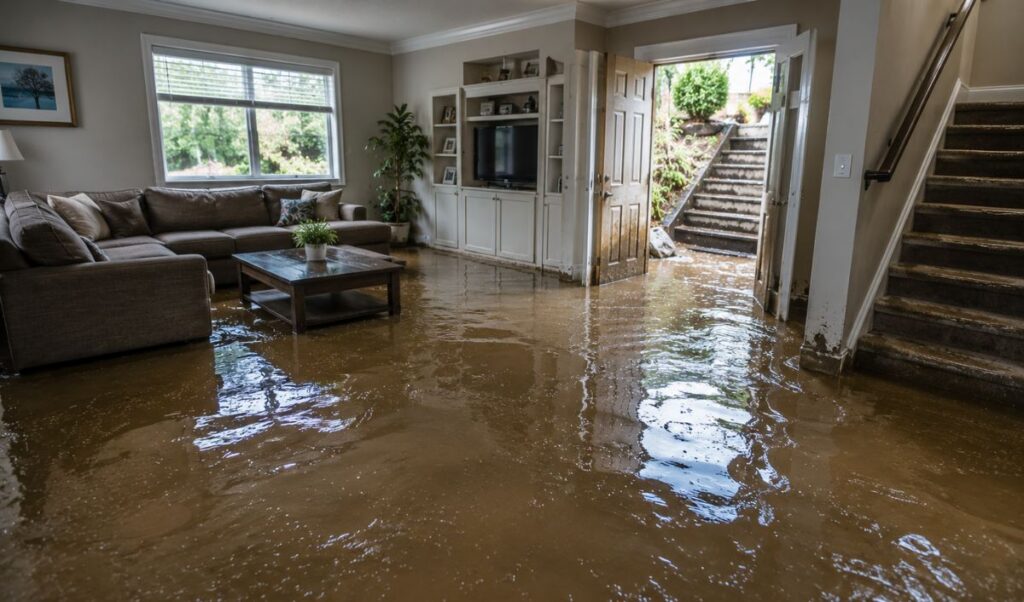
Standing water in your home is one of those situations where every minute counts, and you’re probably wondering what actually works to get it out fast. That’s a smart instinct, because the fastest ways to remove flood water are the same ones that stop mold, warped flooring, and structural damage before they start. We’ve pulled together the ten methods our crews rely on most, ranked from what you can do the moment water hits your floor to the equipment brought in for serious flooding. By the time you finish reading, you’ll know exactly which approach fits your situation and when it’s time to bring in the pros at Call UDK.
Why Speed Matters More Than You Think
Floodwater doesn’t just sit there quietly waiting to be mopped up. It soaks into drywall, seeps under baseboards, and creates the exact damp environment mold needs to start growing within 24 to 48 hours. The longer water sits, the more it spreads, and the more expensive the repair bill gets. Acting fast isn’t just about convenience; it’s about limiting how much of your home ends up needing full restoration.
10 Fastest Ways to Remove Flood Water
1. Shut Off the Water Source First
Before you touch a single drop of water, find and stop whatever is causing it, whether that’s a burst pipe, a broken appliance, or a storm-related leak. Removing water while it’s still coming in is a losing battle.
2. Cut the Power to Affected Areas
Flip the breaker for any rooms with standing water before you start working. Electricity and water are a dangerous combination, so this protects you before speed even becomes a factor.
3. Start With a Wet-Dry Vacuum
For shallow flooding, a wet-dry shop vacuum is one of the quickest tools you can grab. It handles small to moderate amounts of water fast and works on carpet, tile, and hardwood alike.
4. Use Buckets and Mops for Small Pools
If you don’t have a wet-dry vac on hand, buckets and heavy-duty mops still get the job done for localized pooling. It’s manual labor, but it’s immediate and requires zero setup time.
5. Bring In a Submersible Pump for Deep Water
Once water is more than a couple of inches deep, a submersible pump moves far more volume per minute than any vacuum. These pumps sit directly in the water and push it out through a hose.
6. Try a Trash Pump for Debris-Filled Water
Floodwater often carries mud, leaves, and other debris, which can clog a standard pump quickly. A trash pump is built to handle that debris without jamming, making it a faster option for storm-related flooding.
7. Open Doors and Windows for Airflow
While mechanical extraction handles the bulk of the water, opening up your space encourages natural evaporation of any remaining dampness. This works best once most standing water is already gone.
8. Run Fans to Push Air Across Wet Surfaces
Positioning fans to blow air directly across floors and walls speeds up the drying process significantly. This matters just as much as removing visible water, since trapped moisture underneath surfaces leads to mold.
9. Use Industrial Dehumidifiers
Regular household dehumidifiers can’t keep pace with flood-level moisture. Industrial units pull far more water vapor out of the air per hour, which is exactly what large-scale restoration jobs require.
10. Call a Professional Extraction Team
When flooding covers multiple rooms or reaches several inches deep, professional-grade equipment removes water far faster than anything available at a hardware store. Our flood damage restoration team combines high-capacity pumps, truck-mounted extraction units, and moisture detection tools to clear water quickly and confirm nothing gets left behind.
What to Do While You Wait for Help to Arrive
If you’re dealing with significant flooding and waiting on a restoration crew, move furniture, electronics, and valuables to a dry area, remove area rugs before they soak up more water, document the damage with photos for your insurance claim, avoid walking through deep water if there’s any chance of electrical hazards, and keep pets and kids away from the affected space.
These steps won’t remove the water on their own, but they protect your belongings and speed up the restoration process once professionals arrive.
When DIY Water Removal Isn’t Enough
Small spills and minor leaks are usually manageable on your own, but there are clear signs it’s time to call in help. If water covers more than a single room, has been sitting for over 24 hours, or you’re unsure whether it’s contaminated, professional extraction is the safer and faster route. Our water damage restoration specialists also check for hidden moisture behind walls and under flooring that a wet-dry vac can’t reach.
Why Utah Homeowners Trust Call UDK
Flooding doesn’t wait for a convenient time, and neither do we. Our team has responded to water emergencies across Layton, Draper, Park City, Hurricane, and surrounding Utah communities for years, using the same fast-response methods outlined above at a larger scale. Take a look at our service locations to see how quickly we can reach your area.
Get Flood Water Out Fast With the Right Help
Knowing the fastest ways to remove flood water gives you a real head start, but serious flooding still calls for professional-grade equipment and experience. If your home is dealing with standing water right now, don’t wait for it to get worse. Call UDK is available 24/7 to respond across Utah. Start a project today, or visit our contact page to get a crew headed your way.
Frequently Asked Questions
What is the fastest way to remove flood water from a basement?

A submersible pump is typically the fastest option for basement flooding, moving large volumes of water quickly through a discharge hose to the outside.
How long can flood water sit before it causes mold?
Mold can begin developing within 24 to 48 hours of standing water exposure, so removing it as soon as possible significantly lowers your risk.
Can I use a regular shop vacuum for flood water removal?
A wet-dry shop vacuum works well for shallow flooding, but deeper water usually requires a submersible or trash pump for faster extraction.
Is it safe to remove flood water myself?
Minor flooding is often safe to handle yourself, but always shut off electricity first and avoid contact with water that may be contaminated by sewage or chemicals.
When should I call a professional for flood water removal?
Call a professional if water covers a large area, has been standing for over a day, or if you notice a strong odor, since these signs point to a bigger issue.