
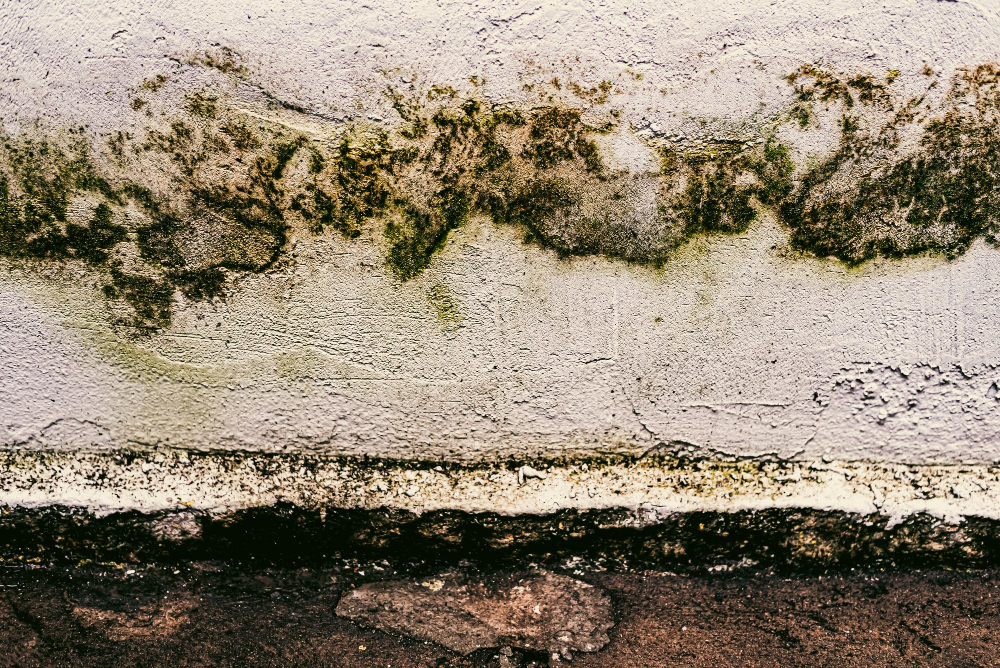
Have you tried killing mold on your walls, only to see dark spots return weeks or months later? Recurring mold growth is a common problem for many homeowners. This can be frustrating because removing visible mold doesn’t always address the underlying problem. If moisture problems, hidden leaks, or poor ventilation are not addressed, mold often returns.
If you’re wondering why does mold keeps coming back, the answer often lies below the surface. Mold needs moisture, warmth, and organic materials to grow, and even a little trapped moisture can create the perfect environment for it to return.
For homeowners experiencing mold on walls Utah, identifying the reason behind repeated mold growth is important for protecting your property and maintaining a healthier indoor environment. Below are nine common reasons mold keeps returning, along with what you can do to prevent it.
Understanding Why Mold Keeps Coming Back
Mold requires three things to grow: moisture, organic material, and the right environmental conditions. If you clean the mold, but these conditions still exist in your home, the mold will grow back.
Walls are especially prone to moisture problems that can be hidden from view behind the surface. Poor airflow and high humidity, water damage, and leaking pipes can create conditions in which mold spores can multiply and spread.
Most homeowners focus only on removing visible mold, but effective prevention means fixing what caused it in the first place. If you are having recurrent problems with mold, you need a professional evaluation, moisture control, and proper treatment to stop the problem.
Reasons Mold Keeps Coming Back On Your Walls
Mold on your walls can be frustrating, especially when it keeps coming back after every cleanup attempt. Understanding the root causes behind repeated mold growth is the first step toward protecting your home.
1. Hidden Moisture Behind Your Walls
One of the most common reasons that mold comes back is moisture hidden inside walls. Leaks from pipes, damaged roofing, foundation problems, or poor drainage can allow water to seep into drywall and insulation, creating a moist environment for mold to thrive.
The challenging part is that hidden moisture may not always be visible. Your walls may look dry on the outside while mold continues to grow beneath the surface.
This is why simply cleaning visible mold spots often provides only temporary results. A proper inspection can help locate moisture sources and identify areas affected by mold growth.
2. The Mold Was Not Completely Removed
Many homeowners attempt to remove mold using household cleaners or DIY solutions. While this may eliminate surface stains, it does not always remove mold roots or spores that have penetrated porous materials.
Materials such as drywall, wood, and insulation can absorb moisture, allowing mold to grow beneath the surface. If affected areas are not properly treated, mold can quickly return.
Professional mold remediation Utah services focus on identifying the full extent of mold contamination, safely removing affected materials when needed, and addressing the conditions that caused the problem.
3. Excess Indoor Humidity Is Supporting Mold Growth
Molds like to grow where there is a lot of moisture. Mold can return even after cleaning if the humidity inside your house remains high.
Common places where humidity builds up are:
- Poorly ventilated bathrooms
- Basements with poor ventilation
- Steam-filled kitchens
- Moisture Build up in laundry rooms
Using exhaust fans, improving airflow, and maintaining balanced humidity levels can help reduce moisture and support long-term mold prevention Utah efforts.
4. Unnoticed Plumbing Leaks Are Creating Moisture
Small leaks can create big mold problems. A slow leak behind a wall may go unnoticed for a long time while continuously providing moisture for mold growth. Hidden leaks are often caused by:
- Pipes leaking
- Damaged plumbing fittings.
- Water fittings broken
- Appliance leaks
Until the source of moisture is repaired, mold will likely keep returning. Regular inspections and quick repairs can help prevent ongoing damage.
5. Poor Ventilation Is Trapping Moisture
Good ventilation is important to help control moisture in your home. If the moist air has no way to escape, it creates conditions ideal for mold to grow.
Bathrooms, kitchens, and basements are especially vulnerable because these areas naturally produce more moisture.
Proper ventilation systems and fans should be installed and fresh air circulation should be allowed to prevent condensation and minimize the chances of recurring mold problems.
6. Damage Was Not Fully Restored
If restoration is not complete, mold can develop in homes that have flooded, leaked, or had water damage.
Even after the visible water is gone, moisture can remain inside walls, floors, and insulation. This hidden dampness is a perfect environment for mold to return. A complete restoration process should include:
- Finding the source of water damage
- Get rid of standing water
- Drying affected areas completely
- Look for hidden mold growth
- Repairing damaged materials
Proper water damage restoration can help stop the cycle of repeated mold growth.
7. Mold Spores Spread During Improper Cleanup
Mold spores are naturally present in the air but become a problem when they land in moist areas. If not cleaned properly, spores can be released into the air and spread to other parts of your house and form new colonies of mold.
Cleaning up one problem spot can lead to another when not properly contained and treated. Professional mold removal specialists use specialized equipment and techniques to control contamination and safely handle mold removal.
8. Damaged Wall Materials Continue Holding Moisture
Certain types of building materials can trap moisture and retain it for a long time. Mold can continue to grow on water-damaged drywall, insulation, or wood framing.
In some situations, cleaning the surface is not enough. Damaged materials may need to be replaced to prevent mold from returning. Understanding the condition of your walls is essential when determining how to stop mold coming back permanently.
9. Lack of Regular Mold Prevention Measures
Many homeowners wait until they see mold before they do anything. But regular maintenance can help prevent mold problems before they escalate.
Some easy preventive measures are:
- Checking for leaks regularly
- Keeping gutters and drainage systems maintained
- Repairing water damage quickly
- Monitoring indoor humidity
- Schedule professional inspections when required
One of the best ways to keep mold away is by regular maintenance.
How To Stop Mold Coming Back
Simply removing the visible growth will not permanently stop mold. The trick is controlling the moisture and conditions that allow mold to live.
Here are some good ways to keep mold from returning:
Repair Moisture Problems Quickly
Leaks, water damage, and drainage issues should be repaired as soon as possible. The longer moisture remains, the greater the chance of mold growth.
Maintain Proper Humidity Levels
Keeping indoor humidity levels in check creates an environment less conducive to mold growth. Dehumidifiers can be especially helpful in damp areas such as basements.
Improve Ventilation
Better airflow reduces condensation and helps remove excess moisture from your home.
Schedule Professional Mold Inspections
If you can’t get rid of the mold after trying to clean it, there’s a chance there’s a hidden source of moisture or contamination that will need professional help.
Why Professional Mold Remediation Is Important
Recurring mold problems usually indicate that the underlying cause has not been fully addressed. Cleaning visible mold may improve the appearance of your walls, but professional remediation is all about finding the source of the contamination, removing it and preventing it from returning.
Experts can identify hidden moisture issues, assess the extent of mold damage, and use appropriate techniques to safely restore affected areas.
For homeowners dealing with mold on walls Utah, professional assistance can provide a long-term solution instead of repeated temporary fixes.
Get Reliable Mold Remediation Support From Utah Disaster Kleenup
When mold keeps coming back, you need a restoration partner that focuses on solving the actual problem—not just covering up the symptoms. Utah Disaster Kleenup helps homeowners address mold problems through professional inspection, remediation, and restoration services.
Utah Disaster Kleenup knows that every mold situation is different. With a team of experienced professionals they work to identify sources of moisture, contain affected areas, safely remove mold, and restore your home in a professional and careful manner.
Whether you are dealing with persistent recurring mold growth, visible wall mold, or moisture-related concerns, Utah Disaster Kleenup provides dependable solutions designed to protect your property.
Taking action early can help prevent further structural damage and reduce the chances of mold returning. Contact us today for expert assistance with your mold remediation needs.
Frequently Asked Questions
Why does mold keep coming back after I clean it?

Mold tends to come back because the moisture source wasn’t fixed. Cleaning will remove the mold you can see, but if you have leaks or humidity problems, or moisture inside your walls, the mold can grow back.
Can I permanently remove mold from my walls?
If you want to get rid of mold permanently, you need to identify and eliminate the source of moisture and properly treat the affected areas. For mold in porous materials, professional remediation might be necessary.
How can I prevent mold from growing back?
To understand how to stop mold coming back, focus on moisture control, proper ventilation, quick leak repairs, and regular home maintenance.
Is mold on walls a sign of a bigger problem?
Yes. Mold on walls can indicate moisture problems behind the walls or within building materials. A professional inspection will reveal the cause.
How does professional mold remediation work?
Professional remediation involves identifying the source of mold, containing affected areas, removing contamination, drying the space, and restoring damaged materials.
When should I call a mold remediation company?
You should consider professional help when mold keeps returning, covers a large area, results from water damage, or appears in hidden areas such as behind walls. Mold remediation Utah experts can help identify and resolve the underlying issue.