
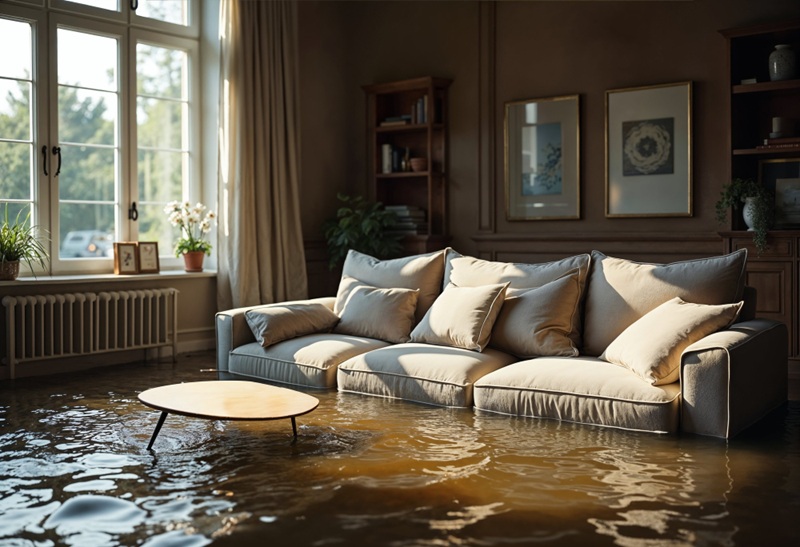
Water damage does not always appear as a large puddle or a visible leak. In many cases, moisture can stay hidden behind walls, under flooring, or inside ceilings for weeks or even months before obvious problems appear.
By the time homeowners notice the damage, repairs may already become more expensive and complicated.
Recognizing the early hidden water damage signs Utah can help homeowners avoid structural problems, mold growth, and costly restoration efforts.
Whether it’s leaking pipes, a damaged roof, a malfunctioning appliance, or Utah’s changing weather, hidden moisture is a problem that needs to be addressed quickly.
In this guide, we will discuss the most common warning signs of hidden water damage and explain how professional detection and restoration can protect your home.
Why Hidden Water Damage Is a Serious Problem
Hidden water damage can ruin your home’s structure over time. Moisture behind walls or under surfaces provides the perfect environment for mold, wood rot, and damage to insulation and drywall.
Utah homes are susceptible to water damage from a variety of sources, including:
- Burst or leaking pipes
- Water heater failures
- Storm damage roof leak
- Appliance leaks from washing machines or dishwashers
- Water leaks into the basement or foundation.
- Poor drainage around the property
The biggest challenge is that hidden water damage often develops silently. Homeowners may only notice small changes before the problem becomes severe.
7 Warning Signs of Hidden Water Damage in Your Home
Have you noticed a strange smell, a small stain, or a sudden change in your home, but cannot find the source? These subtle clues could be warning signs of hidden water damage developing behind walls, under floors, or in hard-to-see areas.
1. Musty or Damp Odors
A persistent musty smell is the most common initial indication of hidden moisture. A damp, earthy smell in your home that doesn’t dissipate after cleaning or airing out the space can be a sign of water trapped behind walls, under flooring, or inside insulation.
Moist environments allow mold and mildew to grow, which can create unpleasant odors and impact indoor air quality. Even if you cannot see visible water damage, unusual smells should not be ignored.
A professional inspection is a way to determine whether there is moisture in hard-to-reach areas.
2. Water Stains or Discoloration on Walls and Ceilings
Typical signs of moisture issues are brown spots, yellow stains, peeling paint, or discoloration on walls and ceilings. Often, these marks are caused by water that has leaked through the drywall or ceiling materials.
Some homeowners try to repaint stained areas, but this only temporarily hides the surface problem. If the source of the moisture is not repaired, stains will usually return.
These visible changes are among the most noticeable signs of water damage in walls and should be inspected as soon as possible.
3. Peeling Paint, Bubbling Wallpaper, or Damaged Drywall
When moisture gets trapped inside walls, it can weaken building materials. You may notice:
- Paint bubbling or cracking
- Wallpaper separating from the wall
- Soft or swollen drywall
- Warped baseboards
These issues often indicate that water has been absorbed into the materials behind the surface.
Ignoring these problems can lead to more extensive repairs because moisture can spread to surrounding areas.
4. Warped Floors or Changes in Flooring
Water not only affects walls and ceilings. Hidden leaks can also damage flooring materials. Signs may include:
- Buckling hardwood floors
- Swollen laminate flooring
- Loose tiles
- Rough surfaces
- Soft spots under the Carpet
If the flooring suddenly changes shape or texture for no good reason, it could be because there’s moisture underneath.
Locating the source early can prevent further damage and reduce restoration costs.
5. Increased Utility Bills Without Explanation
A sudden increase in your water bill may indicate a hidden plumbing leak. Even small leaks can waste significant amounts of water over time.
Common causes include:
- Leaking pipes behind walls
- Damaged plumbing connections
- Hidden toilet leaks
- Faulty appliances
If your water usage increases but your habits have not changed, it may be time to investigate.
6. Mold or Mildew Growth
Mold growth is one of the strongest indicators of excess moisture. While small amounts of mold can sometimes appear in bathrooms or humid areas, unexpected growth in other parts of your home may signal a hidden water issue.
Look for:
- Dark spots on walls or ceilings
- Mold around baseboards
- Mildew smells
- Recurring mold after cleaning
Mold often develops when water remains trapped in areas with limited airflow. Addressing the moisture source is essential for preventing repeated growth.
7. Visible Moisture or Signs of Water Behind Walls
Sometimes the biggest clue is subtle movement or damage around your home. Damp areas, cold spots on walls, or sounds of dripping water may indicate a hidden leak.
Many homeowners wonder how to find hidden water damage without opening walls or causing unnecessary damage. Professional restoration specialists use advanced tools such as moisture meters, thermal imaging cameras, and specialized inspection techniques to locate hidden moisture.
These methods allow experts to identify affected areas and create an effective restoration plan.
Common Areas Where Hidden Water Damage Occurs
Certain areas of your home are more vulnerable to hidden moisture problems, including:
Behind Walls
Leaking pipes inside walls can allow water to spread unnoticed. Over time, moisture can damage drywall, insulation, and structural materials.
Many homeowners dealing with water damage behind walls Utah properties experience problems caused by plumbing leaks, frozen pipes, or appliance connections.
Under Floors
Water from leaks or flooding can become trapped beneath flooring materials. This can lead to warping, mold growth, and deterioration of subflooring.
Around Windows and Doors
Poor drainage or damaged seals can allow water to enter around windows and doors. This can lead to moisture buildup inside walls over time.
Attics and Ceilings
Roof leaks from storms or damaged shingles can introduce water into attic spaces. Since these areas are often overlooked, damage can continue for a long time before being discovered.
How Professional Hidden Water Damage Detection Helps
Catching moisture early can save a homeowner thousands of dollars in repairs. Professional inspections provide better insight into where water has traveled and the extent of the damage.
Professional restoration teams have specialized equipment to detect hidden moisture. This is called hidden water damage detection, and it can help you locate damaged areas without unnecessarily damaging your home.
Experts can assess:
- Dampness of the structure of walls and floors
- Leak-affected zones
- Potential Mold Hazards
- Structural concerns
- necessary drying and restoration operations
Early detection allows homeowners to address problems before they become larger restoration projects.
What Should You Do If You Suspect Hidden Water Damage?
If you notice any warning signs, consider taking these steps:
- Identify possible sources of water, such as leaking appliances or plumbing issues.
- Avoid disturbing areas where mold growth is possible.
- If it is safe to do so, take valuable items out of affected areas.
- Call a professional restoration company for inspection and assistance.
Responding quickly can help reduce damage and preserve your home’s structure.
Expert Help for Hidden Water Damage Restoration in Utah
Hidden water damage can be difficult to identify and even harder to repair without professional equipment and experience. At Utah Disaster Kleenup (UDK), we help homeowners identify, remove, and restore water damage before it causes long-term problems.
Our experienced team provides professional water damage restoration services throughout Utah. We use advanced detection methods to locate moisture, remove standing water, dry affected areas, and restore your property to a safe condition.
Call UDK at (801) 515-3601, any hour, for reliable restoration solutions, whether you have a hidden leak, a storm-related issue, or moisture trapped behind walls.
Don’t wait until minor moisture becomes major damage. Contact UDK today for expert inspection and restoration support.
Frequently Asked Questions
What are the most common hidden water damage signs Utah homeowners should look for?

Typical warning signs are musty smells, water stains, peeling paint, warped flooring, mold growth, higher water bills and unexplained damp areas.
How can I tell if there is water damage behind my walls?
Signs may include discoloration, soft drywall, bubbling paint, musty smells, or sounds of dripping water. Professional inspection tools can help identify moisture hidden inside walls.
Can hidden water damage cause mold problems?
Yes. Moisture trapped in walls, ceilings or flooring creates the perfect environment for mold to grow. Quickly dealing with water issues can help prevent mold related problems.
How long does hidden water damage take to cause problems?
It is contingent upon humidity and environment. Some of the damage can occur in days, while other issues can remain undetected for months.
What is the best way to detect hidden water damage?
The best way is professional evaluation with moisture detection equipment, thermal imaging and a detailed inspection of affected areas.
Are there specific signs of water damage in home areas that I should check regularly?
Yes. Homeowners should regularly inspect ceilings, walls, flooring, basements, bathrooms, kitchens, and areas around appliances for unusual changes or moisture signs.