
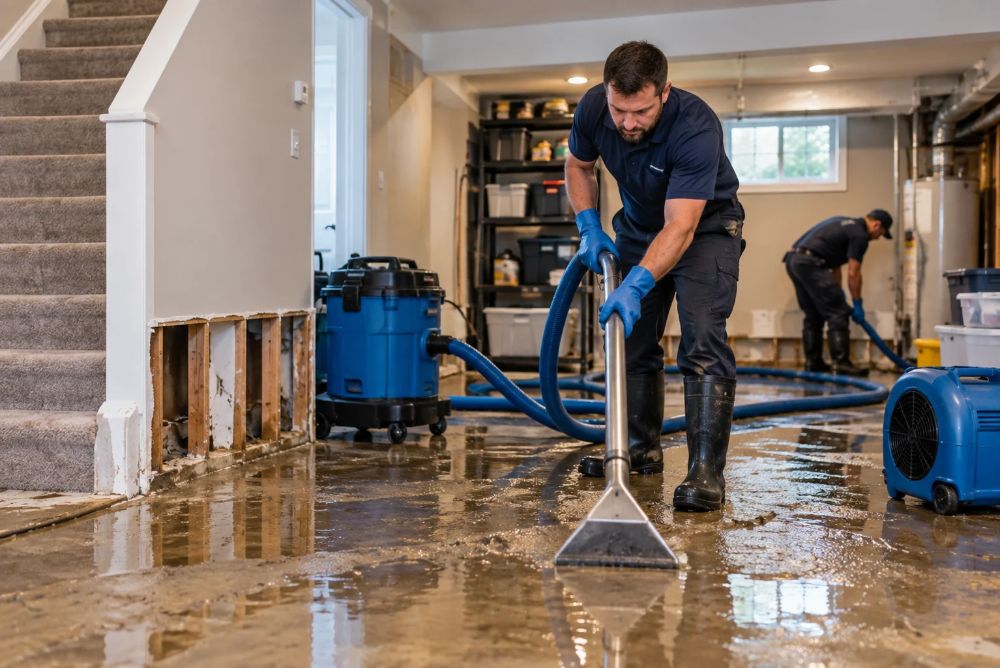
Sewage backup cleanup involves serious health risks that go beyond an unpleasant smell, since contaminated water carries bacteria, viruses, and parasites that can make you sick. Sewage water is classified as black water, the most contaminated category restoration professionals handle, and it requires specialized handling as soon as it’s discovered. Understanding the risks and the right safety steps helps you know when the situation calls for a professional.
What Makes Sewage Backup So Dangerous?
Sewage water falls into what restoration professionals call black water, the most contaminated water category. According to the Institute of Inspection, Cleaning and Restoration Certification, black water can contain bacteria, viruses, parasites, and other pathogens that pose a direct health risk.
Unlike clean water from a burst pipe, sewage requires specialized handling as soon as it is discovered. Even brief exposure to skin, especially through a cut or open wound, can lead to infection.
What Health Risks Come From Sewage Exposure?
Sewage exposure carries several distinct health risks, making careful handling essential, not optional.
- Gastrointestinal illness from accidental ingestion or contaminated surfaces near food areas
- Skin infections from direct contact, especially with broken skin
- Respiratory issues from airborne particles and mold that can develop in damp, contaminated materials
- Eye and mucous membrane irritation from splashing or aerosolized particles during cleanup
- Long-term mold growth if the area is not fully dried and disinfected
Children, pets, elderly individuals, and anyone with a compromised immune system face higher risk and should stay away from the affected area entirely.
What Should You Do Immediately After Discovering a Backup?
The right response after discovering a sewage backup focuses on containment and safety, not immediate cleanup. Acting carefully in the first few minutes reduces exposure risk for everyone in the home.
- Keep everyone, especially children and pets, away from the affected area
- Turn off electricity to the affected area if it is safe to reach the breaker without walking through water
- Avoid using sinks, toilets, or drains connected to the same line until the cause is identified
- Open windows for ventilation if possible, without walking through contaminated water
- Contact a certified restoration company as soon as possible
Why Is DIY Sewage Cleanup Risky?
DIY sewage cleanup carries real risk because household products and typical safety precautions are not built for this level of contamination. A few reasons explain why professional handling matters here.
- Standard household cleaning products are not strong enough to fully disinfect sewage-contaminated materials
- Without proper protective equipment, exposure risk increases significantly during cleanup
- Porous materials often need professional assessment to determine what can be saved
- Incomplete cleanup can leave contamination behind, creating ongoing health risks after the visible mess is gone
- Sewage backups often point to a larger plumbing issue that needs professional diagnosis
What Does Professional Sewage Backup Cleanup Involve?
Professional cleanup follows a structured sequence designed to remove contamination safely and confirm the space is fully restored. Each phase addresses a different part of the contamination.
- Assessment and containment. Technicians identify the source and extent of contamination, then contain the area to prevent it from spreading.
- Water extraction. Contaminated water gets removed using equipment designed for black water, following strict safety protocols.
- Removal of contaminated materials. Porous materials like carpet, padding, and drywall that absorbed sewage typically cannot be salvaged.
- Cleaning and disinfection. Remaining surfaces are cleaned using commercial-grade products designed to remove pathogens.
- Drying and odor treatment. Industrial drying equipment removes remaining moisture while addressing lingering smells.
- Final clearance. A final inspection confirms the area meets safety standards before normal use resumes.
This process overlaps significantly with standard water damage restoration, since drying and material assessment follow similar principles.
What Causes Sewage Backups?
Knowing what causes backups can help you spot warning signs earlier.
- Tree roots infiltrating and blocking sewer lines
- Aging or damaged municipal sewer systems
- Flushing items that should not go down the toilet, such as wipes or grease
- Heavy rainfall overwhelming municipal systems, causing backups into homes
- Clogged or collapsed pipes within the home’s own plumbing
If heavy rain contributed to the backup, pairing cleanup with proper flood damage restoration addresses any additional water intrusion at the same time.
Does Insurance Cover Sewage Backup Cleanup?
Standard homeowners insurance often excludes sewage backup unless you’ve added a specific sewer backup coverage endorsement. Review your policy or ask your provider directly to confirm what’s covered before you need it.
Trusted Sewage Backup Cleanup Across Utah
Call UDK has helped homeowners and businesses across Draper, Layton, Park City, and Hurricane handle sewage backups safely for decades. Our certified technicians follow strict safety protocols from initial containment through final disinfection. You can view our service locations to see if we cover your area.
Handling sewage backup cleanup on your own puts your health at real risk, and knowing when to call a professional protects both your home and your family. If you are dealing with a sewage backup right now, contact Call UDK for immediate assistance.
Frequently Asked Questions
Is it safe to stay in my home during a sewage backup?

Staying in unaffected areas of the home is usually fine, but everyone should avoid the contaminated area entirely until professional cleanup is complete.
How quickly should sewage backup cleanup begin?
As soon as possible. The longer contaminated water sits, the more it spreads bacteria and increases the risk of mold and structural damage.
Can I use bleach to clean up sewage myself?
Bleach alone isn’t enough to fully disinfect sewage contamination, and mixing cleaning chemicals improperly can create dangerous fumes, so professional-grade products are safer.
What items can be salvaged after a sewage backup?
Non-porous items like glass, metal, and sealed plastic can often be cleaned and disinfected, while porous materials like carpet and upholstery usually cannot be saved.
Do I need to wear protective gear even for a small sewage spill?
Yes. Even small amounts of sewage contain harmful pathogens, so gloves, boots, and eye protection are recommended regardless of spill size.