
Planning a renovation or demolition on an older Utah property naturally brings up the question of when is asbestos testing required, and it’s smart to figure that out before you start swinging a hammer. The rules can feel confusing since they depend on the age of the building, the type of project, and how many units are involved. This guide breaks down exactly when testing is legally required, when it’s simply a smart precaution, and what the process looks like so you can move forward on your project without unexpected delays or violations.
Why Utah Regulates Asbestos Testing
Asbestos was widely used in building materials before the 1980s, including insulation, flooring, ceiling texture, and roofing. It’s not dangerous when left undisturbed, but renovation and demolition work can release fibers into the air, which is a serious health hazard. The Utah Division of Air Quality regulates asbestos inspections for exactly this reason, requiring certified professionals to identify and properly handle these materials before certain projects begin, protecting both workers on site and anyone living nearby.
When Asbestos Testing Is Legally Required
Under current Utah rules, a certified asbestos inspection is generally required before most demolition and renovation projects that will disturb building materials, especially for commercial buildings and larger residential properties. Here’s where testing typically applies:
- Demolition projects on commercial or larger residential buildings
- Renovation projects that will disturb walls, flooring, ceilings, or insulation in older structures
- Properties built before the 1980s, when asbestos use was common in construction materials
- Condominium complexes with more than four units
- Projects involving materials like popcorn ceilings, vinyl floor tile, or pipe insulation in older buildings
Because Utah’s asbestos rules have been updated in recent years and continue to evolve, the safest move is confirming current requirements with the Utah Division of Air Quality or a certified asbestos inspector before starting any project.
When Testing May Not Be Legally Required, But Is Still a Good Idea
Some smaller residential properties, particularly newer construction or structures with four units or fewer, may fall under exemptions from mandatory inspection requirements. That said, exemption from a legal requirement doesn’t mean testing isn’t worthwhile. Consider testing anyway if:
- Your home was built before 1980, regardless of size
- You’re planning a major renovation involving flooring, ceilings, or insulation removal
- You’re buying or selling a property and want to avoid future liability
- You notice damaged or deteriorating materials that could be asbestos-containing
- You want peace of mind before starting DIY renovation work
Testing Requirements Around Real Estate Transactions
While asbestos testing isn’t always a strict legal requirement tied to buying or selling a home, many buyers, sellers, and real estate agents request it anyway, especially for older properties. A clean asbestos report can smooth out negotiations and protect both parties from disputes down the line. If a home inspection reveals suspect materials, testing before closing gives everyone a clearer picture of what they’re dealing with, and it can prevent a deal from falling apart over an unresolved question mark.
What the Demolition Notification Process Involves
For demolition projects specifically, Utah requires advance notification before work begins, along with confirmation that any regulated asbestos-containing material has been properly removed first. This process protects both workers and the surrounding community from airborne fiber exposure during demolition. Missing this step can lead to project delays, fines, or having to halt work partway through.
What Happens During an Asbestos Inspection
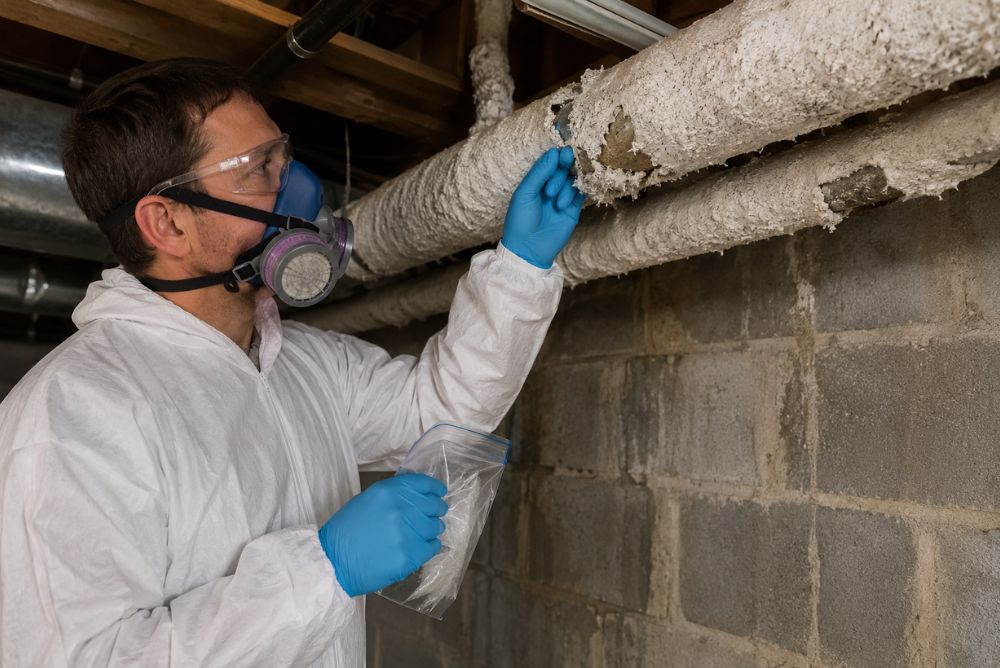
A certified inspector visits the property, identifies suspect materials, and collects samples for lab analysis when needed. If testing confirms asbestos is present, a written report outlines what was found and what needs to happen before renovation or demolition can proceed. Our asbestos removal team can walk you through pricing and turnaround expectations once testing confirms next steps.
What to Do If Testing Comes Back Positive
Finding asbestos doesn’t have to derail your project, but it does mean bringing in a licensed team for proper handling. Avoid disturbing the material further, get a scope of work outlining what needs removal or containment, and schedule certified asbestos removal before continuing with your renovation or demolition plans.
Certified Testing Across Utah
Call UDK has helped homeowners, contractors, and property managers across Layton, Draper, Park City, Hurricane, and surrounding Utah communities navigate asbestos testing requirements for years. Our certified technicians handle everything from initial inspection through documentation, so your project stays compliant and on schedule. Check out our full service locations to see if we cover your area.
Stay Compliant With Certified Asbestos Testing
Understanding when is asbestos testing required protects your project, your health, and your budget from unexpected setbacks. Whether you’re planning a renovation, demolition, or real estate transaction, the certified team at Call UDK is ready to help you move forward with confidence. Start a project today, or reach out through our contact page to schedule your inspection.
Frequently Asked Questions
When is asbestos testing required before a home renovation?

Testing is typically required for renovations disturbing walls, flooring, or ceilings in older or larger buildings, though smaller residential properties may have exemptions worth confirming.
Is asbestos testing required before demolition in Utah?
Yes, most demolition projects require a certified inspection and proper removal of any regulated materials before work can begin, along with advance notification.
Do I need to test for asbestos when selling my home?
It’s not always a strict legal requirement, but many buyers and agents request it for older properties to avoid disputes and liability after closing.
Are newer homes exempt from asbestos testing requirements?
Some smaller residential properties built more recently may fall under exemptions, but confirming current rules with a certified inspector is the safest approach.
What happens if I skip required asbestos testing?
Skipping required testing can lead to project delays, fines, and serious health risks if asbestos-containing materials get disturbed without proper precautions.